A note: what follows can’t be counted as objective, as it discusses a reporter whom I count as a friend, Matthew Cole.
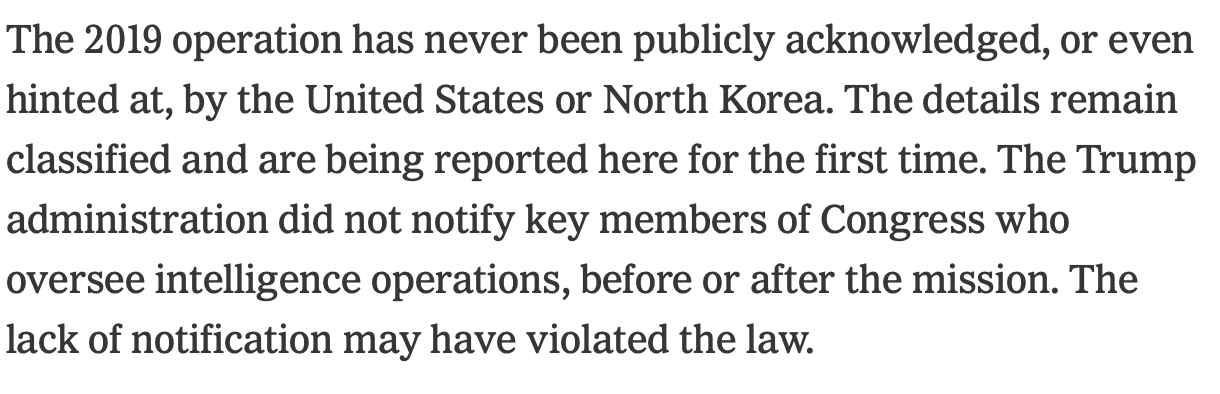
The Times published today a story that will shock nobody.

This is old hat for Trump—and the attorney generals working on his behalf. And the practice does not originate with this administration.
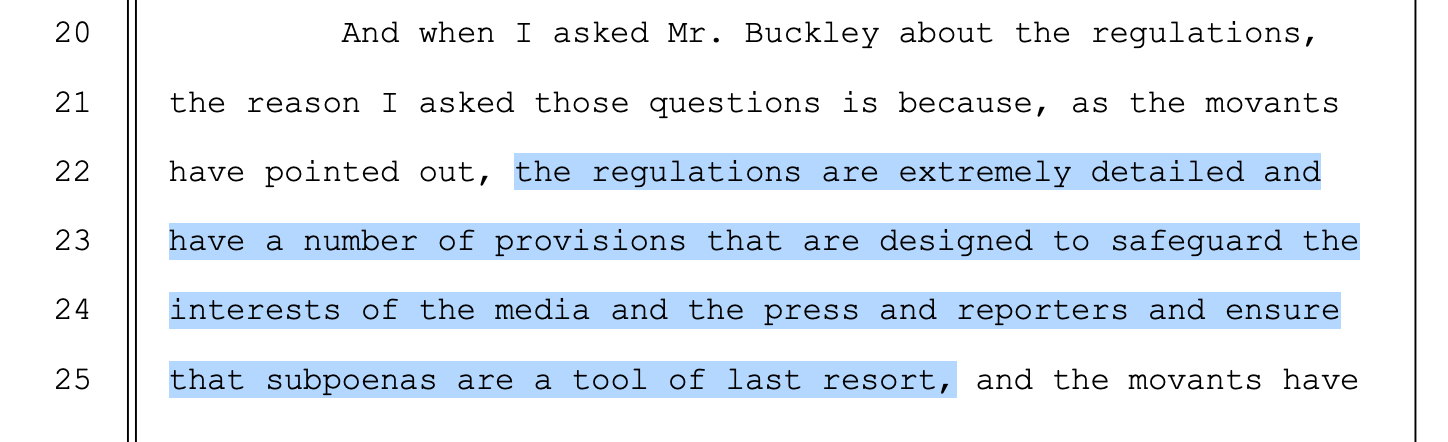
But, the efforts in recent months mark a new aggression against the press, and a departure from Department of Justice regulations. Judge Arun Subramanian pointed this out in a hearing last week concerning the Air Force One leak. In that instance, the Department withdrew the subpoenas after withering questioning by the judge—a stark admission that its not even following their own rules.
Let’s take a look at Trump’s willingness to wield subpoena power against reporters. Here’s a brief timeline:
2017–2018 — Ali Watkins, NYT — James Wolfe/Senate Intel Committee leak — AG Jeff Sessions
2017-2020 — Ellen Nakashima, Greg Miller, Adam Entous, Washington Post — 2017 Russia investigation leak (Sessions-Kislyak story) — AG William Barr
2017-2020 — Barbara Starr, CNN — 2017 national security leak probe — William Barr
2017-2020 — Matt Apuzzo, Adam Goldman, Eric Lichtblau, Michael S. Schmidt, NYT — Comey-related leak — AG William Barr
2026 (Jan.) — Hannah Natanson, Washington Post — Pentagon/Venezuela leak (Perez-Lugones case), first-ever home raid on a journalist in this context — AG Pam Bondi
2026 (Feb.) — Matthew Cole, The New York Times — Failed North Korea mission — AG Pam Bondi
2026 (July) — Julian E. Barnes, Adam Goldman, Eric Lipton, Tyler Pager, Eric Schmitt, NYT — Qatari-donated Air Force One security leak — Todd Blanche, Acting AG
When the government decides to target journalists, it is pursuing a few objectives:
Silence: Reporters wrapped up in federal investigations can become toxic to sources. When people are too afraid to speak to the press, important disclosures about governmental wrongdoing dry up. There’s another word for this: repression.
Distraction. When federal prosecutors drop subpoenas on reporters, it understandably makes the news. It also shifts the attention away from the original reporting—and the issue raised within—by placing reporters and news organizations on the defensive. If you read the original Times piece on the botched North Korea raid, you’ll notice this nutgraf:
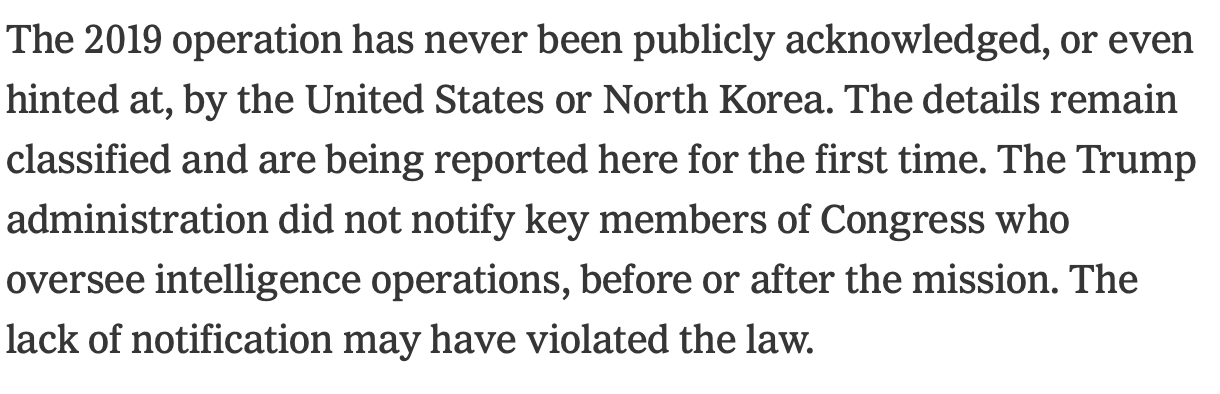
Let’s remember that this story published in September 2025, several months before Trump unilaterally pursued military action in Venezuela and Iran. The public interest in understanding the president’s willingness to flout his obligation to the other branches of government—and the American people—is clear, and vivid, to anyone trying to fill their gas tank right now. Not to mention, those making deeper sacrifices.
Power. Americans think less and less of journalists, particularly Republicans. There is little political cost in targeting reporters. And if you have listened to and followed the relentless assault on the media by the president and his surrogates, it’s clear there is a direct political—and in some cases financial—benefit.
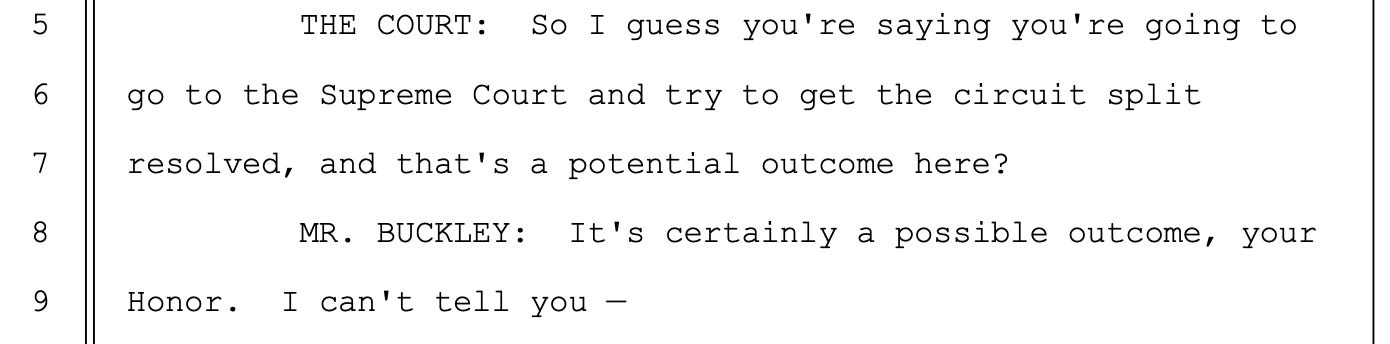
But the power derived from this isn’t just the populist grist of denigrating and seeking to humiliate reporters. It comes with creating the conditions where it is difficult, if not impossible, to be held to account. And this was the most illuminating moment in the hearing over the Air Force One leak. The government conceded an interest in taking a run at the Supreme Court to weigh in on the extent of journalistic privileges—which is unresolved among federal circuits: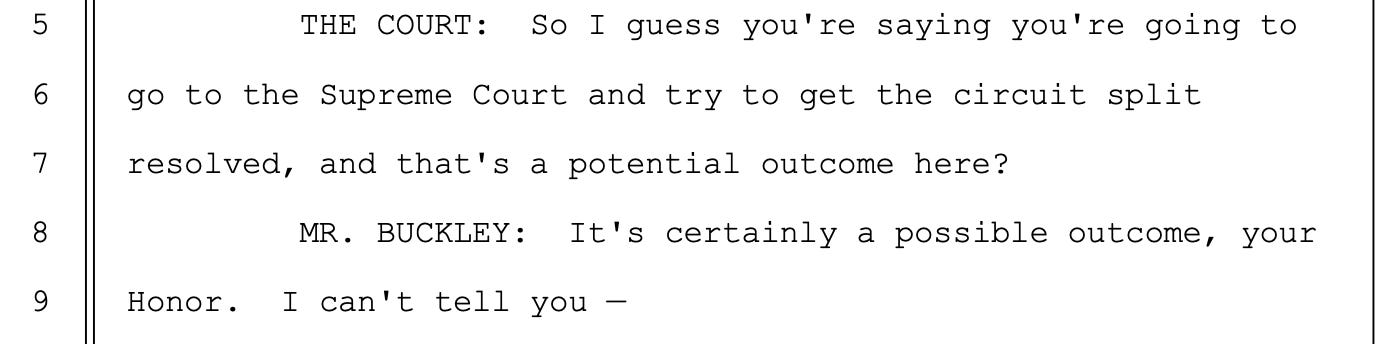
When it comes to attacks on the press, it’s only reasonable to read the projection of government power as a projection of official culpability.
We can step back from this and ask: does the government have a right to keep secrets?
This is hard-fought legal terrain—particularly with what is called “national security” information. Lawyers can disagree on this, but the rest of us have to turn to common sense.
The Constitution doesn’t directly articulate the government’s right to secrecy in the way it establishes the freedom of the press under the First Amendment. One can scratch around and infer that the executive branch may have some of these powers—but the founders didn’t see fit to make this anything other than ambiguous. And take it a step further, Congress hasn’t passed anything akin to the United Kingdom’s Official Secrets Act. It has passed the Espionage Act, which is narrower in scope. Both eliminate the public interest argument that reporters rely on in justifying the publication of clasified information.
And if a criminal statute is to be judged by its application, the Espionage Act has a not-great record: For every Julius and Ethel Rosenberg or Robert Hannsen, you have a Daniel Ellsberg or Chelsea Manning. Or, Donald Trump - who enjoys the rare distinction of both being prosecuted for and overseeing the prosecution of people under the law. I’ll leave it up to you to decide where the president belongs along that continuum.
So what’s the point of reporting on a failed secret U.S. military mission? It’s to remind the public that these decisions aren’t just part of some political game; they’re measured in American (and other) lives.
If you can show me a government that has the right to bury its mistakes, while other people bury their family members I think we’ve found our country in a place that is hard, if not impossible, to come back from.
We all benefit from reporters like Matthew and his colleagues who—in spite of all evidence suggesting it’s completely nuts—are willing to do this often thankless work.